0

What Is WordPress CMS and WordPress Plugins? A Complete Beginner’s Guide
What Is WordPress CMS and WordPress Plugins? A Complete Beginner’s Guide – In today’s digital era, having a website is no longer optional. However, building and managing a website does not have to be complicated. This is where WordPress CMS comes in as one of the most powerful and user-friendly solutions available. To further enhance its capabilities, WordPress plugins play a crucial role in extending functionality and improving performance.
What Is WordPress CMS?
WordPress is an open-source Content Management System (CMS) that allows users to create, manage, and publish website content without advanced technical skills. Initially launched as a blogging platform, WordPress has evolved into a flexible CMS that powers more than 40% of websites worldwide.
At its core, WordPress CMS provides an intuitive dashboard where users can manage pages, posts, media, and settings efficiently. As a result, businesses, developers, and individuals can build anything from simple blogs to complex corporate websites and online stores.
Moreover, WordPress is highly customizable. Users can choose from thousands of themes to control design and layout. In addition, WordPress supports responsive design, ensuring websites look great across desktops, tablets, and mobile devices. Because of this flexibility, WordPress has become the preferred CMS for startups, enterprises, and developers alike.
Why WordPress Is So Popular
One of the main reasons WordPress dominates the CMS market is its ease of use. Even beginners can publish content within minutes. At the same time, developers can access powerful tools, hooks, and APIs for advanced customization.
Furthermore, WordPress is SEO-friendly by default. Its clean code structure, customizable URLs, and compatibility with SEO tools help websites rank better on search engines. Consequently, WordPress is not only easy to use but also effective for digital marketing and long-term growth.
What Are WordPress Plugins?
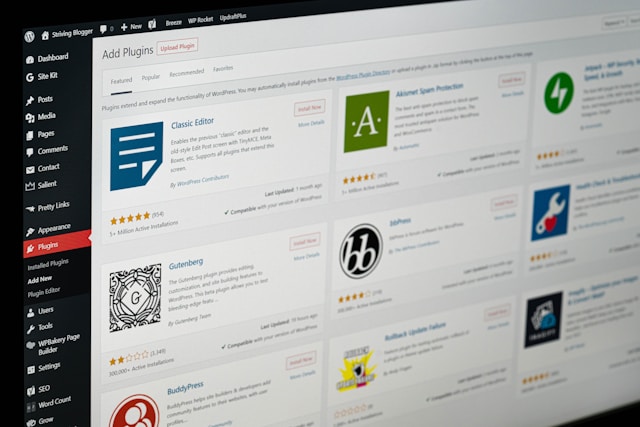
While WordPress CMS provides a strong foundation, WordPress plugins are what truly unlock its full potential. In simple terms, a WordPress plugin is a piece of software that adds specific features or functionality to a WordPress website.
For example, plugins can help you:
- Improve website security
- Optimize speed and performance
- Add contact forms
- Create online stores with WooCommerce
- Integrate payment gateways
- Enhance SEO and analytics
Because of plugins, WordPress can adapt to almost any business requirement. Instead of building features from scratch, users can install plugins to extend functionality instantly.
How WordPress Plugins Work
Technically speaking, WordPress plugins integrate seamlessly with the WordPress core. They use hooks and filters to modify or extend existing behavior without changing core files. As a result, plugins remain compatible with updates and maintain long-term stability.
Additionally, plugins can be activated or deactivated at any time. This flexibility allows website owners to test features without permanent changes. Therefore, WordPress plugins offer both convenience and control.
Types of WordPress Plugins
WordPress plugins generally fall into two categories. First, general-purpose plugins are available publicly through the WordPress Plugin Repository. These include SEO tools, caching plugins, and security solutions.
Second, custom WordPress plugins are built specifically for a particular website or business need. Custom plugins are ideal when existing plugins do not meet exact requirements. As a result, many businesses rely on custom plugin development to create scalable, secure, and performance-driven solutions.
Why WordPress Plugins Matter for Businesses
From a business perspective, plugins save time and reduce development costs. Instead of rebuilding features repeatedly, businesses can reuse or customize plugins to match their workflow. Moreover, plugins help automate processes, improve user experience, and increase conversions.
At the same time, well-developed plugins follow WordPress coding standards, ensuring security and long-term maintainability. Consequently, professional plugin development plays a key role in sustainable website growth.
WordPress CMS and Plugins: A Powerful Combination
When combined, WordPress CMS and WordPress plugins form a robust ecosystem. The CMS handles content management efficiently, while plugins extend functionality without complexity. Because of this synergy, WordPress remains one of the most future-proof platforms available today.
In conclusion, WordPress CMS provides the foundation for building and managing websites, while WordPress plugins deliver flexibility, scalability, and innovation. Whether you are a beginner or a professional developer, understanding both is essential for creating powerful and effective websites.